ERPCorp SAP FICO Blog
- Category: Blog
- Hits: 20134
By Ramya Kannan

Introduction
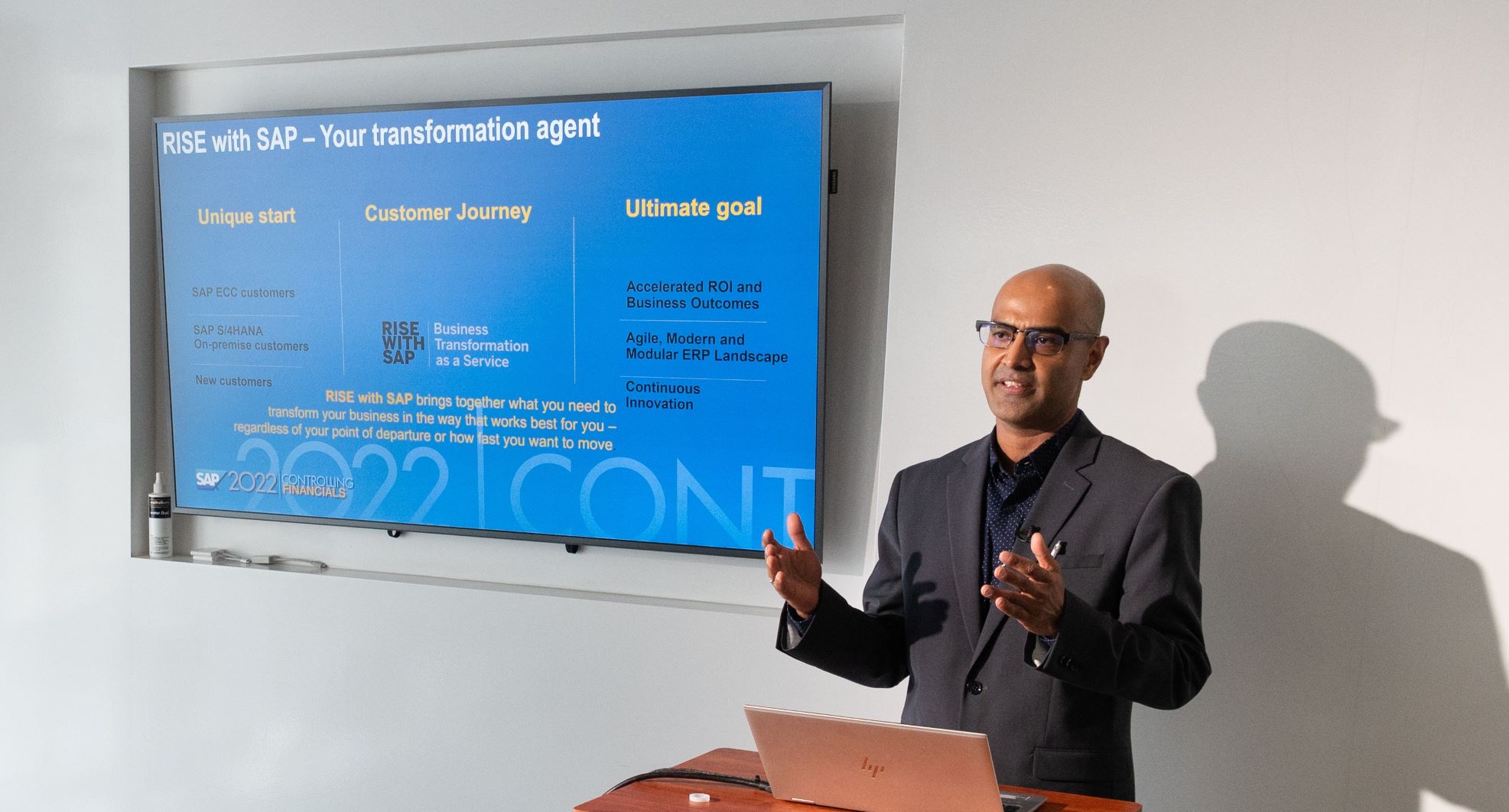
UST offers three accelerator programs to complement RISE with SAP so you can quickly and reliably achieve transformational change in the cloud.
- Category: Blog
- Hits: 31395
by Paul Ovigele
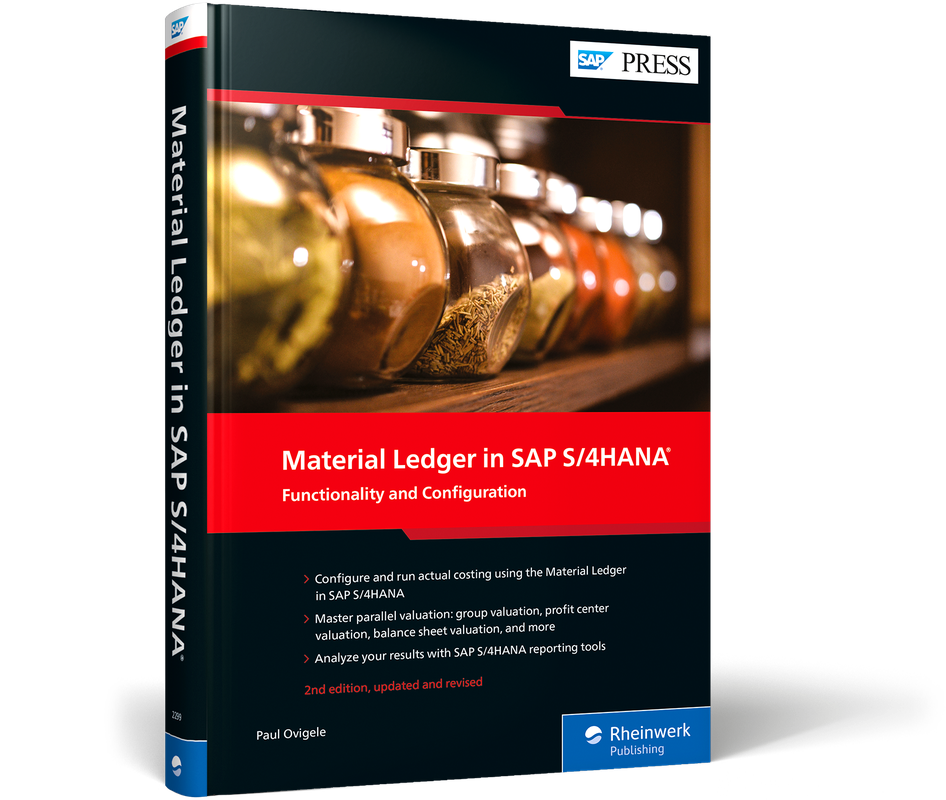
This book helps you set up the SAP Material Ledger, run it smoothly, and configure key settings for currency conversion, ledgers, and valuation views.
We set up and run actual costing, group valuation, profit center valuation, parallel cost of goods manufactured, and balance sheet valuation.
We walk through special scenarios and execute reports to monitor material value flows.
Also, click HERE to learn about the companion SAP Press book: Product Cost Controlling with SAP S/4HANA
- Category: Blog
- Hits: 49762
By Constantino Solis Prego

Introduction
This article explains how to change the cost component structure in six steps without losing cost component history.
The example is based on a typical food/beverage processing plant with two main lines: food/liquid processing and packaging. The initial cost structure follows an accounting scheme, mapping all the ingredients to one cost component, packaging materials to another, and labor, depreciation, and other production activities grouped into other 3 separate cost components.
Read more: How to Change the Cost Component Structure with SAP Material Ledger Active
- Category: Blog
- Hits: 34372
SAP Press Book: Asset Accounting with SAP S/4HANA
by Stoil Jotev

Learn how to configure and use asset accounting in SAP S/4HANA.
The book is organized into the following chapters:
Table of Contents
- Introduction
- Chapter 1 Organizational Structures
- Chapter 2 Master Data
- Chapter 3 Asset Valuation
- Chapter 4 Business Transactions
- Chapter 5 Periodic Processing
- Chapter 6 Asset Reporting
- Chapter 7 Migrating Asset Data
- Appendix A: Obsolete and New Transaction Codes and Tables in SAP S/4HANA
- Glossary
- Category: Blog
- Hits: 44945
- Walk through SAP product costing from end to end with easy-to-understand graphics
- Initial cost planning, cost estimates, production order costing, reporting, and actual costing
- Category: Blog
- Hits: 50595
Welcome to the latest SAP S/4HANA edition of this groundbreaking SAP book. Our new edition, on publication, immediately entered and remains in the SAP Press Top Ten.
- Category: Blog
- Hits: 57965
by John Jordan

Introduction
You use configuration Transaction OBYC to assign SAP General Ledger GL accounts in Financial Accounting FI to movement types in Materials Management MM, also known as SAP MM-FI Automatic Account Determination or Assignment.
You can also use the Automatic Account Determination SAP Fiori app to configure GL account assignments.
- Category: Blog
- Hits: 47509
by Tom King
- Category: Blog
- Hits: 24412

SAP assembly scrap allows you to plan for faulty or damaged assemblies.
Since no production process is perfect, some scrap is always produced. You may scrap cheaper items and rework costly items not meeting quality standards.