
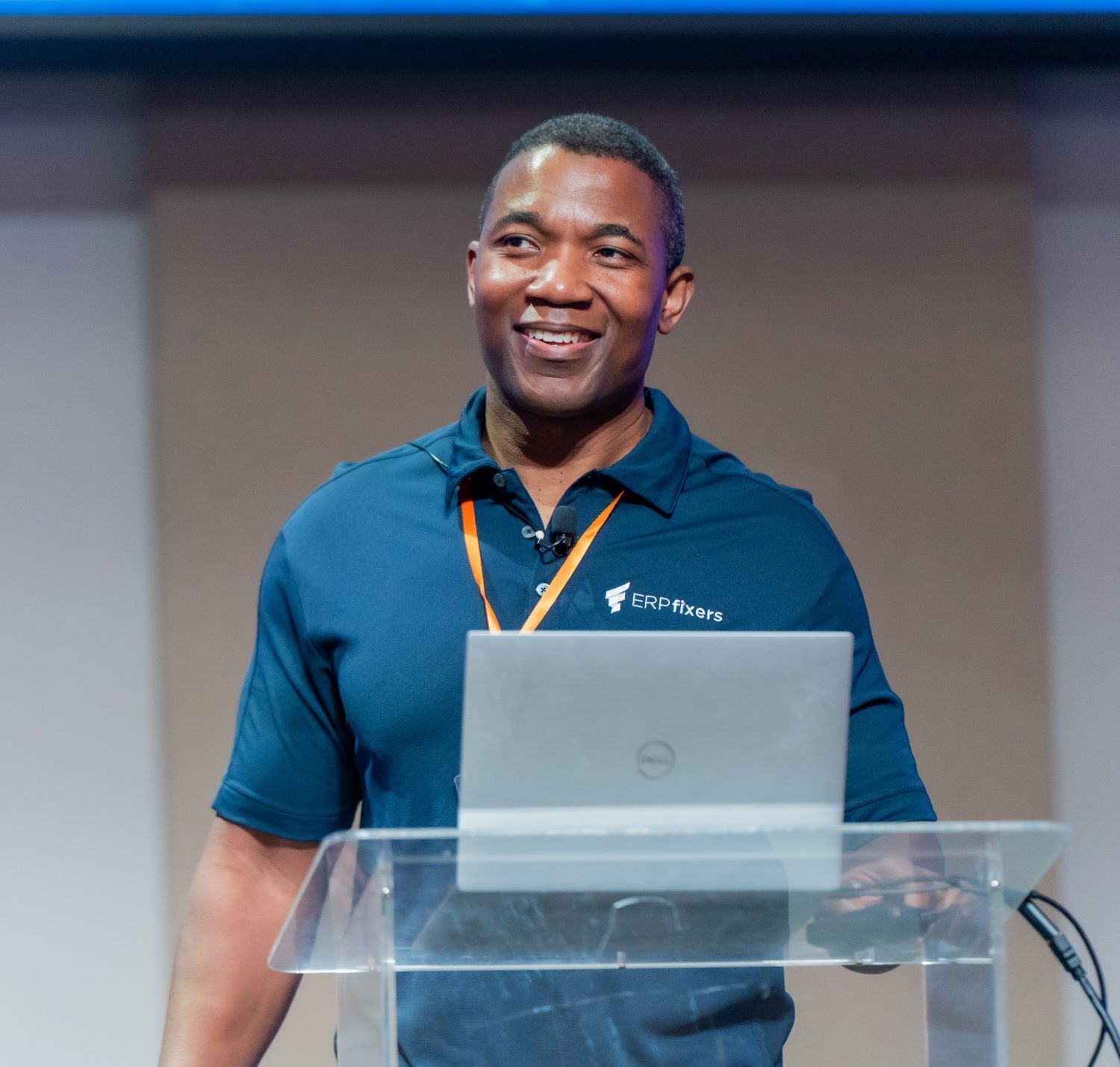
Controlling is evolving fast as AI and predictive analytics move from buzzwords to practical tools inside SAP. Traditional CO still struggles with manual data, complex structures, and backward-looking reports, but intelligent automation now enables real-time insights, predictive forecasts, and faster decision-making. By embedding AI directly into finance processes, controllers can shift from data gathering to true business partnering—spending less time on transactions and more time driving strategy.
This blog is based on a presentation by Paul Ovigele at the SAP Controlling conference.
Why Controlling Needs a Rethink

SAP Controlling (CO) spans product costing, cost centers, internal orders, margin analysis, and profit center accounting—critical for planning, tracking, and decision-making. Yet the day-to-day remains hampered by familiar limits: heavy manual data entry, siloed or poorly integrated data, backward-looking reports, limited predictive power, and scalability constraints as organizations grow. Even on S/4HANA, closing complexities, allocation transparency, and currency handling can slow teams down and drive workarounds.
What would a “modern” controlling function look like? Integrated data (SAP and non-SAP), flexible drill-downs, near-real-time refresh, scenario-driven foresight, and the adaptability to pivot quickly as conditions change.
Enter AI and Predictive Analytics
AI combines machine learning, natural language processing (NLP), and automation to learn from patterns and support decisions. Predictive analytics leverages historical data to forecast outcomes. Three forces make this moment different: explosive compute power, advanced algorithms, and the sheer volume of data. The impact spans the enterprise—from service and supply chain to HR and, increasingly, finance and controlling.
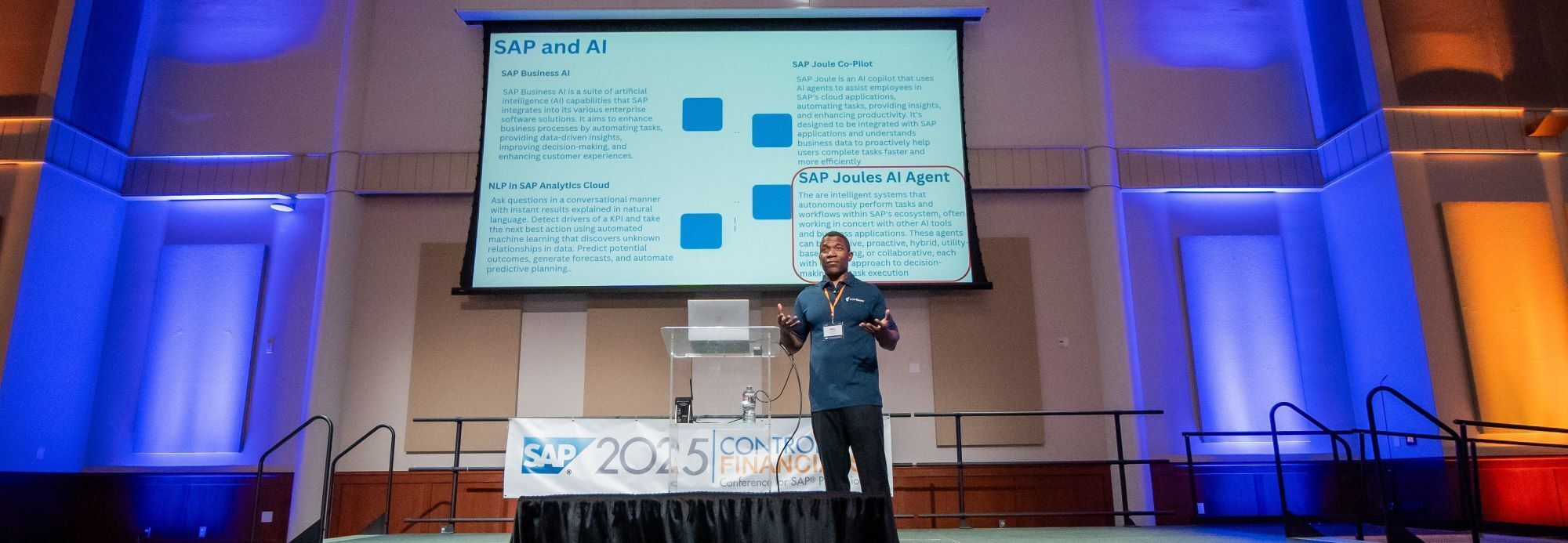
SAP is embedding “Business AI” across its stack so intelligence shows up where work happens. SAP Joule, the company’s AI copilot, is designed to surface answers, accelerate navigation, and—through agents—execute routine steps. In SAP Analytics Cloud (SAC), built-in machine learning and NLP let users ask questions in plain language, detect patterns, and generate forecasts without switching tools.
Practical Ways to Start—Today
You don’t need a moonshot to realize value. Start small, aim for repeatable wins, and expand:
- Switch on NLP in analytics. If you use SAC (even alongside ECC), enable conversational queries so controllers can ask questions and get instant visuals and numbers.
- Adopt predictive forecasting. Move beyond static plans; use SAC to run scenarios and sensitivity checks for cost drivers and margins.
- Pilot AI copilots and chatbots. Use SAP Joule to find data faster, summarize context, and streamline navigation across processes.
- Target agent-worthy tasks. Identify repetitive, high-volume steps—accrual uploads, bank recs, or GR/IR matching—and let AI agents assist or execute with controls.
- Strengthen the data foundation. Clean master data, define ownership, and instrument quality checks. AI still follows “garbage in, garbage out.”
- Stand up governance. Create an AI use policy covering security, compliance, model oversight, and human-in-the-loop checkpoints.
- Upskill the team. Train controllers on prompting, interpreting model outputs, and recognizing model limits (bias, drift, hallucinations).
What You Can Expect
Early adopters report faster closes, fewer manual reconciliations, and improved auditability as entries, evidence, and logic live in one place. Predictive analytics elevates controlling from end-of-month scorekeeping to continuous guidance—flagging anomalies, surfacing drivers, and testing “what-ifs” in minutes. Just as important, finance becomes a more visible strategic partner, spending less time collecting data and more time shaping decisions.
A Moving Target—And a Flywheel
Yes, the AI landscape is evolving quickly. That’s a feature, not a bug. The more you instrument processes, the more data you generate; the smarter your models get, the more they automate and inform. Treat this as a flywheel: small deployments lead to better data, which lead to bigger gains.
The Takeaway
AI won’t replace controlling—but controllers who use AI will outpace those who don’t. Start with pragmatic use cases, build guardrails, and let the wins compound. Reimagining controlling isn’t about chasing hype; it’s about giving finance the speed, foresight, and flexibility to guide the business in real time.
This blog is based on the presentation by Paul Ovigele: "Reimagining Controlling in the Age of AI and Predictive Analytics" at the SAP Controlling Conference. To access the complete session and more in-depth SAP Controlling content, become an SAP Controlling member. START YOUR TRIAL HERE!